
Protecting Your Family’s Future: The Case for Adding Your Children to Your Pension
TL;DR
Adding your children as beneficiaries to your pension can be one of the simplest and most effective estate planning steps you take. UK pensions often sit outside your estate for inheritance tax purposes and can be passed on tax-efficiently if structured correctly. However, beneficiary nominations must be up to date and aligned with your wider financial plan. A quick review today can make a significant difference to how smoothly — and tax-efficiently — wealth passes to the next generation.
Want to Protect Your Family’s Financial Future?
Adding children as pension beneficiaries can be a simple step, but it should form part of a wider estate and retirement planning strategy. While completing a nomination form is important, it is only one piece of the puzzle when it comes to protecting the people who matter most.
Your pension may be one of the largest assets you accumulate during your lifetime. Ensuring it passes to the right people in the most efficient way possible can make a significant difference to your family’s financial security should the unexpected happen.
Beneficiary nominations should be reviewed regularly, particularly following major life events such as marriage, divorce, the birth of children or grandchildren, relocation overseas or changes in family circumstances. What was appropriate ten years ago may no longer reflect your wishes today.
Effective planning often involves looking beyond the pension itself. Estate planning, inheritance considerations, tax efficiency and long-term family objectives should all work together as part of a coordinated strategy designed to support future generations.
Book a discovery call with Ross to ensure your pension arrangements support the people who matter most and form part of a wider plan to protect your family’s financial future.
Name children as pension beneficiaries
When it comes to planning your financial future, deciding who gets your pension is a big deal.
While naming your spouse as the sole beneficiary may seem like the obvious course of action, there are compelling reasons why you should also nominate your children.
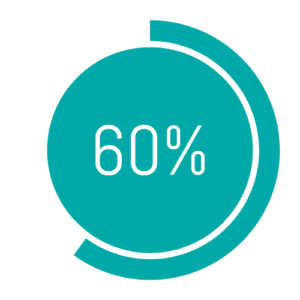
In fact, a recent survey showed that over 60% of UK pension holders do not include their children as beneficiaries, which could expose them to significant tax issues down the road.
The Problem You Don’t See Coming
Let’s say you pass away, and your spouse wants to pass some or all of your pension to your adult children.
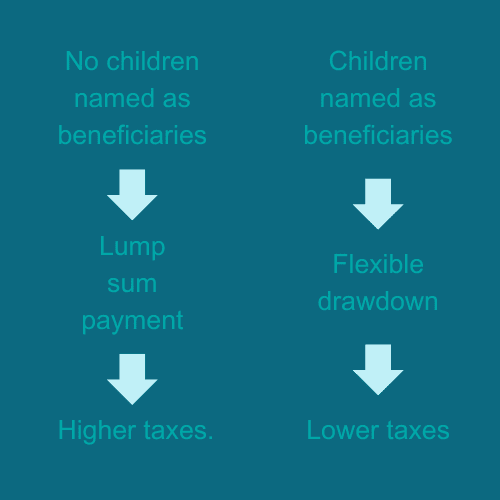
Here’s the issue: if you didn’t already name your children as beneficiaries, they’re stuck.
They can’t take advantage of flexible drawdown options.
Instead, they’ll get hit with a lump sum payment, which could lead to a tax mess.
For example, a £200,000 lump sum could result in up to £90,000 in taxes for higher-rate taxpayers.
Why?
Because only dependents or people you’ve specifically named as beneficiaries get the option to take that money out in a way that works best for them.
The Solution?
Simple. Name your spouse and your children as beneficiaries, even if it’s just a token 1%.
Case Study 1: Flexibility is King 👑
Meet John and Mary.
They’re in their early 60s and have always assumed John’s pension would go straight to Mary if he passed away first. No questions asked.
But their financial adviser steps in and suggests they also name their two adult children as beneficiaries. John and Mary are a bit sceptical but decide to go with it.
Then the unthinkable happens—John passes away unexpectedly.
Because the children were named as beneficiaries, they have the option to receive the pension benefits as a flexible drawdown instead of a lump sum.
According to HMRC data, beneficiaries using flexible drawdown typically save around 20–30% in taxes compared to those who take a lump sum.
Without that move, the children would’ve been stuck with a lump sum payment—less flexibility, more taxes, and definitely less financial security.
Your Pension Is Part of Your Legacy
Many people think of their pension primarily as a source of retirement income, but it can also play an important role in the financial legacy they leave behind. In some cases, a pension may be one of the largest assets a person owns and can provide significant financial support to loved ones after their death.
One of the most important aspects of pension legacy planning is ensuring that your beneficiary nominations accurately reflect your wishes. Pension providers will often use these nominations as a key factor when deciding who should receive any remaining pension benefits. An outdated or incomplete nomination form could result in outcomes that no longer align with your intentions.
Inheritance planning should also be considered as part of the wider picture. While pensions can often be passed on in a tax-efficient manner, the rules surrounding inheritance, taxation and beneficiary options can be complex. Understanding how your pension fits into your overall estate plan can help ensure your family receives the maximum possible benefit.
Many pension schemes offer valuable death benefits that can provide ongoing income or lump-sum payments to beneficiaries. However, the availability and structure of these benefits can vary between pension providers and pension types, making regular reviews worthwhile.
At its core, beneficiary planning is about family financial security. Taking time to review your arrangements can help ensure that spouses, children, grandchildren or other loved ones are protected and supported if something happens to you.
Pensions should also be considered alongside your broader estate planning arrangements. Wills, trusts, property ownership, investments and pension benefits often work best when viewed as part of a coordinated strategy rather than as separate financial decisions.
Just as importantly, beneficiary nominations should be reviewed and updated whenever major life events occur. Marriage, divorce, new children, grandchildren, bereavement or significant changes in family circumstances can all affect whether your existing nominations remain appropriate.
A pension is often one of the most valuable assets a family owns, making beneficiary planning an important part of protecting future generations.
By viewing your pension as part of your wider legacy rather than simply a retirement income vehicle, you can help ensure your financial resources continue to support the people you care about long after you are gone.
Case Study 2: Minimising the Tax Burden
Now let’s talk about Susan, a 68-year-old who thought leaving her pension to her husband was the simplest thing to do.
But during a financial review, her adviser lets her know that by also naming her children as beneficiaries, Susan can dramatically cut down on their future tax burden.
Here’s the upshot: if Susan dies before she turns 75, her children can inherit the pension tax-free.
Current UK pension rules state that beneficiaries pay no income tax on a pension inherited before the age of 75, but after 75, withdrawals are taxed at the recipient’s marginal rate, which can range from 20% to 45%.
However, even if she dies after 75, her children can still withdraw the funds gradually, which keeps them in a lower tax bracket.
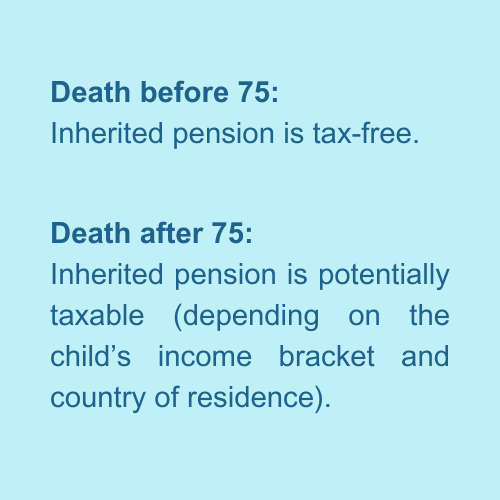
If Susan didn’t take this advice, her children would potentially face a big tax bill if they were forced to take a lump sum.
By making this one simple change, Susan ensures her children get the most out of her pension without HMRC taking a great big slice.
Keep the Taxman at Bay
Here’s another curveball: if your kids get a lump sum, that money might end up in their estate, and you know what that means—inheritance tax. Inheritance tax (IHT) is currently charged at 40% on estates over £325,000.
But if they inherit the pension and keep the funds in the plan until they actually need it, it stays outside their estate, which means it avoids inheritance tax altogether.
Research shows that 5% of estates in the UK end up paying IHT due to unplanned pension distributions.
Plus, those funds can keep growing tax-free, which is a win-win for long-term financial security and growth.
Is Your Pension Set Up the Way You Intend?
Many people assume that once they have completed a pension beneficiary form, the job is done. However, family circumstances often change significantly over time, and arrangements that made perfect sense years ago may no longer reflect your wishes today.
Marriage, divorce, remarriage, new children, grandchildren and changing family relationships can all affect who you would want to benefit from your pension. Unfortunately, beneficiary nominations are often forgotten about until it is too late to make changes.
Divorce and remarriage can be particularly important. It is not uncommon for pension providers to hold beneficiary nominations that were completed many years earlier, potentially naming people who are no longer part of your life or failing to include those you now wish to protect.
Beneficiary forms can easily become outdated. While pension trustees often retain discretion when distributing benefits, an up-to-date nomination form provides valuable guidance and can help ensure your wishes are understood and followed.
Pension providers can only act on the information they have available. If your circumstances have changed but your records have not been updated, they may have no way of knowing that your intentions have changed.
Regular reviews can help ensure your pension remains aligned with your family circumstances, estate planning objectives and long-term wishes for the people you care about most.

Bottom Line
Naming your children as beneficiaries on your pension isn’t just about spreading the wealth—it’s about giving them options, cutting down on taxes, and making sure your legacy works for them, not against them.
In fact, naming children as beneficiaries can save families an average of 15% in taxes and inheritance tax.
It’s a simple move that protects your family’s financial future and gives you peace of mind knowing your wishes will be carried out exactly how you want.
Real People, Real Results
“There is no shortage of people offering financial advice to Brits living overseas and it is, unfortunately, extremely hard to sort the wheat from the chaff. I did a fair bit of due-diligence before finally deciding to put my trust in Ross and I have not been disappointed.
He is a true professional who has provided valuable advice and has delivered on everything he said he would and I have no hesitation in recommending him to others.”
— Ian Scattergood
FAQs
Can I name both my spouse and children as pension beneficiaries?
Yes, you can. Many people choose to name their spouse as the main beneficiary and their children as secondary or partial beneficiaries. Even allocating just 1% to your children can give them key benefits later.
Why should I include my children as beneficiaries if my spouse is already listed?
Including your children ensures they have access to flexible drawdown options, which can reduce their tax burden and provide more control over how and when they access the funds.
What happens if I don’t name my children as pension beneficiaries?
If your children are not named, they may only be eligible to receive a lump sum, which can trigger a large tax bill and limit how the funds are distributed.
Is it true that inherited pensions can be tax-free?
Yes, if the pension holder dies before age 75 and the beneficiary receives the money within two years, the funds are usually tax-free. After 75, the funds are taxed at the beneficiary’s marginal rate.
Will the inherited pension be subject to inheritance tax (IHT)?
No, as long as the pension remains within the pension wrapper and isn’t withdrawn as a lump sum, it typically sits outside the beneficiary’s estate for IHT purposes.
Can I change my pension beneficiaries at any time?
Yes. Most pension schemes allow you to update your nomination form at any time, and it’s recommended to review it after major life events like marriage, divorce, or the birth of a child.
What’s the benefit of allocating just 1% of my pension to my children?
Even a 1% allocation ensures your children are named beneficiaries, which gives them access to flexible drawdown options instead of being limited to lump sum payments.
Do adult children count as dependents for pension purposes?
Not usually. However, if they are named as beneficiaries, they can still receive inherited pensions under flexible rules—even if they are financially independent.
Can my children inherit my pension if I remarry?
If you remarry and don’t update your beneficiary form, your new spouse may receive the full benefit. It’s crucial to keep nominations up to date based on your current wishes.
Will my children pay tax on the growth of an inherited pension?
No. As long as the funds remain in the pension wrapper, they continue to grow tax-free. Tax is only applied when funds are withdrawn, depending on age-of-death rules and residency.
Common Pension Beneficiary Mistakes Families Make
Most people understand the importance of having a pension, but far fewer take the time to review who will actually receive the benefits if they die. As a result, beneficiary planning is often overlooked until a problem arises, by which point it may be too late to make changes.
Never completing a nomination form
One of the most common mistakes is simply failing to complete a pension beneficiary nomination form in the first place. While pension trustees often have discretion over who receives benefits, providing clear guidance through a nomination form can help ensure your wishes are understood and taken into account.
Forgetting to update nominations after major life events
Marriage, divorce, remarriage, new children, grandchildren and bereavement can all change your priorities. However, many people complete a nomination form once and never revisit it. As a result, outdated beneficiary instructions may no longer reflect their current wishes or family circumstances.
Assuming a will overrides pension nominations
Many people believe that their will automatically determines who receives their pension benefits. In reality, pensions often sit outside the estate for inheritance purposes, and pension providers will usually look first at the beneficiary nomination form and the scheme rules. An up-to-date will remains important, but it may not override pension instructions in the way many people expect.
Failing to consider adult children
Some people only think about spouses or younger dependants when completing beneficiary nominations. However, adult children can often be included as beneficiaries and may benefit significantly from thoughtful pension planning, particularly where wealth transfer and long-term family financial security are important objectives.
Ignoring inheritance planning opportunities
Pensions can be one of the most tax-efficient assets available when it comes to passing wealth to future generations. Failing to consider how pensions fit into a wider inheritance and estate planning strategy may result in missed opportunities to protect family wealth.
Many of these mistakes occur because beneficiary planning is viewed as a one-off administrative task rather than an ongoing part of financial planning. In reality, beneficiary arrangements should be reviewed periodically to ensure they continue to reflect your wishes and family circumstances.
A simple beneficiary review today could prevent significant complications for your family in the future.
Taking a few minutes to review your nominations and wider estate planning arrangements can help provide clarity, reduce uncertainty and ensure your pension supports the people you intend it to protect.

Talk to an Expert
Many people spend decades building their pension but very little time considering what happens to it after they die. Ensuring the right people benefit from your pension can be just as important as building the pension itself.
I’m Ross Naylor, a UK-qualified Chartered Financial Planner and Pension Transfer Specialist with nearly 30 years' experience helping individuals and families use pensions, investments and estate planning strategies to protect future generations.
Pension beneficiary planning is about far more than completing a form. Decisions around death benefits, inheritance planning, family protection and intergenerational wealth transfer can have a lasting impact on the financial wellbeing of your loved ones.
I firmly believe your location in the world should never be a barrier to expert, impartial and transparent financial advice you can trust.
Whether you're considering adding children as beneficiaries, reviewing outdated nomination forms, planning how pension death benefits will be distributed, or looking at ways to pass wealth to the next generation as efficiently as possible, I can help you understand the options available and ensure your plans reflect your wishes.
Your pension can be one of the most valuable assets you leave behind. Taking the time to review your arrangements today could make a significant difference to your family's financial future tomorrow.
Book a Discovery Call