
Thinking of Retiring to Spain from the UK? Here’s What You Need to Know First
TL;DR
Retiring to Spain from the UK can offer lifestyle benefits, but it brings important tax, pension, residency, and inheritance considerations. Spain taxes worldwide income once you become resident, and UK pensions, property sales, and investments may be treated differently than you expect. Healthcare access, visa requirements, and long-term succession planning also need to be aligned before you move. Careful preparation before retirement can prevent costly cross-border mistakes later.
Planning to Retire to Spain? Start With a Personal Retirement Plan
Retiring to Spain is an exciting milestone, but creating a successful retirement involves much more than choosing where to live. The financial decisions you make before leaving the UK can have a lasting impact on your lifestyle, retirement income and long-term financial security.
Every retirement journey is different. Your pension arrangements, tax position, investment portfolio, family circumstances and retirement goals are unique to you. The right strategy for one British expat may not be the best solution for another.
Tax, pensions, residency and investments all need to work together. Understanding how UK pensions, Spanish tax residency, retirement income, investment planning and estate considerations interact can help you build a financial plan that supports your life in Spain while remaining flexible if your circumstances change.
Decisions made before leaving the UK can have a lasting financial impact. Planning ahead often creates more opportunities than trying to solve problems after you have already become tax resident in Spain. Reviewing your finances before your move can help reduce unnecessary complications and give you greater confidence about your retirement.
A personalised retirement plan can help avoid expensive mistakes. Looking at your finances as a whole rather than making isolated decisions allows you to understand how each part of your financial life supports your long-term objectives.
If you’re considering retiring to Spain and would like independent guidance tailored to your own circumstances, book a discovery call to discuss your retirement plans and explore the options available to you.
Retire to Spain from UK
Spain has long been one of the most popular retirement destinations for UK citizens – and for good reason.
Sunshine, great food, a relaxed pace of life, and lower living costs continue to draw retirees southwards.
But retiring abroad isn’t just about finding a nice view.
There are important financial, legal, and lifestyle decisions to consider.
This guide will walk you through everything you need to know if you’re planning to retire to Spain from the UK.
From visas and pensions to healthcare and tax – it’s all covered below.
Can UK citizens still retire to Spain after Brexit?
Yes, but it’s no longer as straightforward as before.
Since Brexit, UK citizens are now considered “third-country nationals” in Spain.
That means you can no longer simply move there and stay indefinitely.
To retire in Spain, you’ll need to apply for the non-lucrative visa.
This allows you to live in Spain as a retiree, provided you can support yourself financially without working.
You’ll need to show:
- Main applicant – €28,800 per year
- Each dependent – €7,200 per year
💷 Proof of sufficient income (pension income, savings, or investment income)
👨🏼⚕ Private health insurance
🦹♀️ No criminal record
🛂 A valid UK passport with at least one year remaining
Once approved, the visa is valid for one year and can be renewed for two years at a time.
After five years, you can apply for permanent residency.
Cost of living in Spain vs the UK
One of the big attractions of retiring to Spain is the lower cost of living.
While some coastal or tourist hotspots can be pricey, many parts of Spain offer good value.
Think €2 coffees, affordable groceries, and much lower council tax equivalents (IBI).
Typical monthly costs for a couple in a mid-sized town:
- Rent: €700–€1,200 (depending on location)
- Utilities: €100–€150
- Groceries: €300–€400
- Private health insurance: €100–€200
Of course, lifestyle choices will affect how far your pension or savings go, but many British retirees find they can live comfortably on less than they would need in the UK.
Paying tax in Spain as a UK retiree
If you spend more than 183 days a year in Spain, you’ll generally be considered tax resident there.
This means that you’ll pay Spanish income tax on your worldwide income, including:
- UK State Pension
- Private or workplace pensions
- Rental income
- Investment income
Spain’s income tax rates are progressive, ranging from 19% to 47%, depending on income levels and the region in which you live.
The UK and Spain have a double tax treaty, so you won’t be taxed twice on the same income.
But this doesn’t mean you won’t be taxed at all.
It’s essential to get advice before you move, especially if you have significant pensions, ISAs, or investment portfolios, to make sure you structure your income efficiently under Spanish tax rules.
⚠️ Unlike the UK, where the tax year runs from 6th April to 5th April, in Spain it runs from 1st January to 31st December.
Retiring to Spain Is About More Than Choosing Where to Live
For many British expats, retiring to Spain represents the opportunity to enjoy a warmer climate, a different pace of life and a rewarding retirement. While choosing the right location is an important part of the journey, building a secure financial future requires much broader planning. A successful retirement strategy brings together your pensions, investments, taxation, healthcare and long-term objectives so that every part of your finances works together.
Taking a holistic approach before you move can help you make informed decisions, reduce unnecessary risks and give you greater confidence throughout your retirement.
UK Pensions and Retirement Income
Your UK pensions are likely to provide the foundation of your retirement income. Understanding when and how to access your pensions, how they fit alongside other savings and investments, and how withdrawals may affect your overall financial position can help you create a sustainable income strategy for retirement in Spain.
Spanish Tax Residency
Once you become tax resident in Spain, your financial affairs may be subject to different tax rules than those that applied while you lived in the UK. Understanding how your residency status affects pension income, investments and other sources of wealth allows you to plan more effectively and minimise unexpected tax consequences.
UK State Pension Planning
Many British retirees rely on the UK State Pension as an important part of their retirement income. Knowing when you become eligible, understanding how annual increases apply and considering how your State Pension fits alongside your private pensions can help you develop a more reliable long-term income plan.
Investment Strategy
Your investment portfolio should continue to support your retirement objectives after moving to Spain. Reviewing your investments in light of your income requirements, attitude to risk and changing financial priorities helps ensure they remain aligned with your overall retirement strategy rather than simply continuing unchanged.
Currency Planning
Living in Spain while receiving income or holding investments in pounds sterling introduces currency risk. Exchange rate movements can affect the value of your retirement income over time, making it worthwhile to consider how your assets and future spending are balanced between different currencies.
Healthcare Considerations
Healthcare is another important aspect of retirement planning. Understanding your entitlement to healthcare in Spain, the role of the S1 certificate where applicable, and whether additional private medical insurance may be appropriate can help you prepare for both routine and unexpected healthcare needs.
Estate and Inheritance Planning
Moving overseas can affect how your estate is administered and how your assets are passed on to your beneficiaries. Reviewing your wills, beneficiary nominations and inheritance planning alongside your pensions and investments helps ensure your wishes are reflected as your circumstances evolve.
Returning to the UK Later
Although many British expats settle permanently in Spain, others eventually return to the UK because of family commitments, health considerations or changing personal circumstances. Building flexibility into your retirement strategy from the outset makes it easier to adapt should your plans change in the future.
Retiring to Spain involves far more than organising visas and deciding where to live. Bringing together your pensions, investments, tax position, healthcare planning and long-term objectives can help you build a retirement strategy that gives you confidence for the years ahead.
Can you still receive your UK pension in Spain?
Yes. The UK State Pension can be paid into your Spanish bank account or a UK one.
You’ll continue to receive annual increases (the “triple lock”) in Spain because it’s covered by the UK’s social security arrangements with the EU.
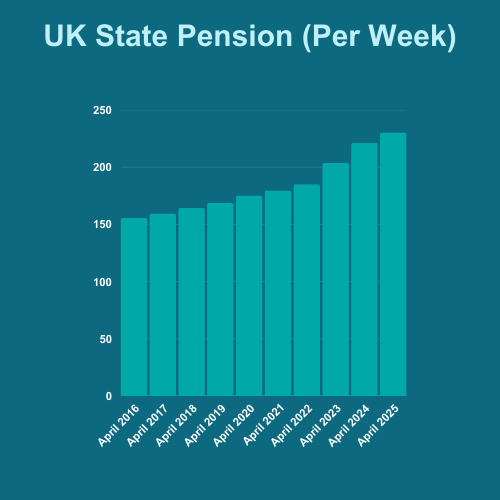
If you have private pensions or SIPPs, these can also be accessed from Spain, but there will be currency risk, tax implications, and paperwork to consider.
In some cases, consolidating UK pensions into an international SIPP or restructuring investments for tax efficiency can make a big difference.
It’s worth seeking advice before drawing pension benefits.
Unsure Whether You’re Financially Ready to Retire to Spain?
Moving to Spain is about far more than choosing a location or arranging your visa. It marks the beginning of a new stage of life, and the financial decisions you make before leaving the UK can influence your retirement income, tax position and financial security for many years to come.
Retirement abroad affects every aspect of your finances. Your pensions, investments, tax residency, healthcare arrangements, estate planning and income strategy all need to work together. Looking at each decision in isolation can increase the risk of unexpected costs or missed opportunities later.
Small decisions made before leaving the UK can have significant long-term consequences. The timing of pension withdrawals, becoming tax resident in Spain, restructuring investments or changing your residency status may all affect your financial position long after your move has taken place.
Every British expat has different objectives. Some people plan to settle permanently in Spain, while others expect to divide their time between countries or eventually return to the UK. Your retirement strategy should reflect your personal goals, family circumstances and lifestyle rather than following a generic approach.
Independent financial advice helps you understand your options before committing. Reviewing your pensions, retirement income, investments, taxation and long-term objectives together allows you to make informed decisions with confidence, knowing your financial plan is designed around your own circumstances.
If you’re still deciding whether you’re financially ready to retire to Spain, a discovery call provides an opportunity to discuss your plans, explore your options and identify any issues that should be addressed before you make the move.
What about ISAs, Premium Bonds, and UK savings?
Once you become a Spanish tax resident:
- ISAs lose their tax-free status. Income and gains are taxable in Spain, even if they remain tax-free in the UK.
- Premium Bonds are permitted, but winnings are taxable.
- Capital gains and interest from UK savings/investments must be reported.
The Spanish tax system can be complex, with different rules for various income types (and regional variations too).
A tax-efficient structure in the UK may not be tax-efficient in Spain.
🔗 Expat ISA Rules: What Can Be Done With an ISA When You Move Abroad?
Accessing healthcare in Spain as a UK retiree
Spain has an excellent healthcare system, but access for UK retirees depends on your situation.
If you’re receiving a UK State Pension, you can apply for an S1 certificate from the NHS Overseas Healthcare Service.
This entitles you to state healthcare in Spain, paid for by the UK.
Once registered with the S1 and your local Spanish health centre, you’ll have access to public healthcare on the same basis as Spanish residents.
If you don’t qualify for the S1 (e.g. early retirees), you’ll need private health insurance to cover you, at least until you become eligible for state healthcare.
Thinking of Retiring Overseas?
Download my FREE checklist
Make your move stress‑free with our free Retiring Overseas Checklist. Clear steps, no fluff – just what you need to plan with confidence.
By submitting your details, you agree that you may be contacted in relation to your enquiry and, where you have provided consent, sent relevant information about financial planning services. You can opt out of marketing communications at any time. For more information on how your data is used, please refer to the Privacy Policy.
Buying or renting property in Spain
UK citizens can still buy property in Spain with no restrictions.
Spain has a well-established property market, and many retirees choose to buy their dream home outright using equity from UK property sales or pension lump sums.
However, renting for the first 6–12 months is often a smart move.
It gives you time to settle in, explore different areas, and make a more informed decision.
Don’t forget:
- Property taxes and local fees vary by region.
- Inheritance laws in Spain differ from the UK and may affect how you pass on property.
- Currency fluctuations can impact affordability.
Estate planning and inheritance tax
Spain has its own inheritance and succession tax (ISD), which varies by region, relationship to the deceased, and asset type.
Unlike the UK, there’s no automatic spouse exemption, and each beneficiary may face tax depending on their personal circumstances.
You’ll also need to consider:
- Whether your UK will is valid in Spain
- Whether you should draft a Spanish will
- Forced heirship rules that may apply unless you opt for UK law (under Brussels IV)
🔗 EU Succession Regulation: What is it and how does it affect UK expats?
Case Study: Martin & Anna’s Move to Granada
Martin (61) is a UK citizen. Anna (58) is a Spanish citizen.
After 20 years abroad working in Asia and the Middle East, Martin finished his final international assignment in the UK while Anna taught at an international school.
They’ve now decided to retire to Anna’s home country and settle in Granada, a city they fell in love with years ago.
They are financially secure, having built up a solid retirement portfolio.
Martin has a UK defined benefit pension due to start at 65, along with a sizable SIPP.
Anna has a modest Spanish pension and personal investments.
They have two children:
- One at university in the Netherlands
- One just starting work in London
They want to help both children onto the UK property ladder over the next 5–10 years, while making sure their own retirement income is stable and tax-efficient in Spain.
We worked together to:
- Model different pension drawdown strategies (e.g. deferring Martin’s SIPP, early drawdown, or taking an annuity)
- Analyse Spanish tax treatment of UK pensions, ISAs and their joint investment account
- Restructure UK holdings into Spanish-compliant investments, which allowed tax deferral and simplified reporting
- Set up a plan to gift funds to their children in the UK in a tax-efficient way, without jeopardising their own retirement
- Draft wills in both countries, ensuring that UK law applies to their Spanish assets under Brussels IV
They now have a clear roadmap for the next 20 years, with flexibility to support their children, fund their retirement lifestyle, and leave a lasting legacy across two countries.
Considering Other Countries Before You Retire?
If you are thinking about retiring to Spain from the UK, it can also be helpful to understand how other countries approach residency rules, taxation, pensions, and long-term financial planning – particularly if your plans change over time.
Many British retirees compare Spain with destinations such as Greece, where lifestyle benefits are often balanced against different tax residency rules and pension treatment. Others explore options outside Europe altogether, including Dubai and Saudi Arabia, both of which offer very different financial and tax environments for British expats and retirees.
For those seeking a European base with lower living costs while remaining well connected to the UK, Poland has also become an increasingly popular option.
Regardless of where you choose to retire, financial planning rarely stops at national borders. UK tax residency, pension access, investment structuring, and inheritance planning often require a cross-border financial advice approach – particularly if you may move countries more than once or plan to return to the UK later in life.
For a broader overview of the key issues British retirees face overseas, you may also find it useful to explore this guide to retiring abroad and the common financial considerations involved.
Real People, Real Results
“Taxation, pensions, inheritance, capital gains and investing are areas that need qualified and expert advice. I would certainly be lost without him. If you are an expat looking for sound financial advice, then you would do well to reach out to Ross.”
— Malcolm Ridge
❓ FAQs: Retire to Spain from UK – financial planning essentials
1. Will I pay tax in Spain on my UK pension?
Yes. If you’re a tax resident in Spain, your UK pension income is taxable there. The UK/Spain tax treaty prevents double taxation, but tax is still payable in Spain.
2. Can I keep my UK ISA if I move to Spain?
You can keep it, but once you’re a Spanish tax resident, ISAs lose their tax-free status. Income and gains become reportable and taxable under Spanish rules.
3. Should I transfer my UK pension to a QROPS if I move to Spain?
No. As a result of the rule change in October 2024, you will be subject to a 25% Overseas Transfer Charge if you transfer your pension to a QROPS in a country that you are not resident in.
4. Are Spanish-compliant bonds a good idea?
They can be. These investment structures offer tax deferral and simpler reporting in Spain. They’re often used by UK retirees with larger portfolios who want to manage income flows and reduce annual tax exposure.
5. Do I need to declare my UK bank accounts in Spain?
Yes. If you’re Spanish tax resident, you must declare overseas accounts and assets worth more than €50,000 using the Modelo 720 form.
6. Will I be taxed in the UK after I move to Spain?
It depends. If you remain UK tax resident (e.g. split year), you may still be liable. Once you’re non-resident, most income is only taxed in Spain – but things like UK rental income and capital gains on UK property remain taxable in the UK.
7. What’s the best way to help my children buy property in the UK from Spain?
This depends on how you structure your assets. Gifting from a UK bank account may be simpler. But if you’re Spanish resident, large gifts can trigger Spanish gift tax. A cross-border gifting strategy should consider both UK and Spanish rules.
8. Can I access my UK pension lump sum tax-free in Spain?
No. While you can take 25% of your pension as a tax-free lump sum in the UK, this benefit is not recognised in Spain, and Spanish tax will apply to it.
9. Do I still need a UK will?
Yes. You’ll need a UK will for your UK assets, and a Spanish will for assets located in Spain. You may structure your Spanish will to state that you wish UK succession law to apply (under EU regulation Brussels IV).
10. When should I speak to a financial adviser?
Yes. Ideally 12–18 months before your move. That gives you time to restructure assets, review pension strategy, update estate planning, and avoid costly mistakes during the transition.
Common Retirement Planning Mistakes British Expats Make Before Moving to Spain
Retiring to Spain is an exciting opportunity, but it also involves a series of important financial decisions that can affect your retirement for many years to come. Planning ahead gives you more flexibility and allows you to address potential issues before they become costly problems. Understanding some of the most common mistakes can help you make more informed decisions and enjoy greater peace of mind as you prepare for your move.
Leaving UK Pension Planning Until After Moving
Many people assume they can review their pensions once they have settled in Spain. In reality, some of the most valuable planning opportunities exist before you become tax resident. Reviewing your UK pensions, retirement income options and withdrawal strategy before your move can help you avoid unnecessary complications later.
Focusing Only on Spanish Tax Rules
Tax is an important consideration, but it should never be viewed in isolation. Effective retirement planning also takes account of your pensions, investments, future income requirements, estate planning and personal objectives. Looking at the bigger picture often produces better long-term outcomes than concentrating solely on tax efficiency.
Forgetting to Review UK Investments and ISAs
Many British expats continue to hold UK investments, ISAs and other savings after moving to Spain. These assets may continue to play an important role in your retirement, but they should be reviewed to ensure they remain suitable in light of your new tax residency and long-term financial goals.
Assuming Healthcare Arrangements Happen Automatically
Healthcare is a key part of retirement planning, yet it is often overlooked until after relocation. Understanding your eligibility for healthcare in Spain, whether an S1 certificate applies to your circumstances and if private medical insurance may be appropriate can help you avoid unnecessary stress once you have moved.
Ignoring Currency Risk
Receiving pension income in pounds while spending euros means exchange rate movements may affect your purchasing power over time. Considering how your retirement income, investments and future expenditure are structured across different currencies can help reduce the impact of currency fluctuations.
Not Reviewing Inheritance and Estate Planning
Moving to Spain can have implications for your estate planning, beneficiary arrangements and the way your assets are distributed after your death. Reviewing your wills, pensions and succession plans alongside your wider financial arrangements helps ensure your wishes continue to be reflected as your circumstances change.
Making Financial Decisions Without Considering a Possible Future Return to the UK
While many British retirees intend to remain in Spain permanently, circumstances can change. Family commitments, healthcare needs or lifestyle preferences may eventually lead to a return to the UK. Building flexibility into your retirement strategy from the outset can make adapting to future changes much easier.
Careful planning before your move provides an opportunity to review every aspect of your financial position and identify areas that may benefit from adjustment before becoming resident in Spain. This proactive approach often leads to greater financial confidence and fewer unexpected surprises during retirement.
A successful retirement in Spain is built on careful planning rather than individual financial decisions. Reviewing your pensions, investments, taxation, estate planning and long-term retirement objectives together can help you avoid costly mistakes and enjoy greater financial confidence throughout your retirement.
Professional financial advice can help you understand how every part of your financial life fits together, allowing you to make informed decisions that support the retirement lifestyle you want to enjoy in Spain.
Need help planning your retirement to Spain?
If you’re thinking about how to retire to Spain from the UK, I can help you plan the transition.
As a UK Chartered Financial Planner, I specialise in helping British expats prepare for retirement abroad, including pension advice, investment management and cross-border estate planning.
If you’d like to chat through your plans or get a second opinion, feel free to schedule an introductory call.
Talk to an Expert
Retiring to Spain is one of the biggest financial decisions you'll ever make. While the lifestyle may be appealing, a successful retirement depends on much more than choosing the right location. Your UK pensions, retirement income, Spanish tax residency, investments, healthcare arrangements and estate planning all need to work together to support the life you want to enjoy.
I'm Ross Naylor, a UK-qualified Chartered Financial Planner and Pension Transfer Specialist with nearly 30 years' experience helping British expats worldwide build secure, tax-efficient retirement strategies before and after relocating overseas.
Rather than focusing on individual financial products, I take a holistic approach to retirement planning. Together we'll review your UK pensions, State Pension, retirement income, investment strategy, Spanish tax position, currency exposure, healthcare considerations and long-term estate planning, ensuring every part of your financial life supports your retirement goals.
I firmly believe your location in the world should never be a barrier to expert, impartial and transparent financial advice you can trust.
Whether you're still planning your move, preparing to become tax resident in Spain or already living there, I'll help you understand your options, avoid common cross-border financial mistakes and develop a retirement strategy designed around your own circumstances and long-term objectives.
The best retirement plans don't happen by chance—they're created through careful planning that brings every aspect of your finances together.
Book a Discovery Call