
What is an international SIPP?

What we will cover in this post

TL;DR

An International SIPP can give British expats greater flexibility over how their UK pensions are invested and managed while living overseas, but it is not automatically the right solution for everyone. Depending on your circumstances, you may still qualify for UK tax relief on pension contributions for a limited period after leaving the UK, while investment choice, fees, currency exposure, tax residency and future retirement plans should also be considered. Before transferring or contributing to a SIPP, it is important to understand both the UK pension rules and the tax implications in your country of residence.

Considering an International SIPP for Your UK Pension?

If you’re a British expat with one or more UK pensions, an International SIPP can potentially provide greater flexibility over how your retirement savings are managed and accessed while you live overseas. However, moving an existing pension into an International SIPP is not automatically the right decision simply because you have left the UK.

The right pension structure depends on your individual circumstances. Your existing pension arrangements, country of residence, retirement plans, investment requirements and how you eventually intend to draw your retirement income should all be considered before deciding whether a transfer is appropriate.

Your existing UK pension may contain valuable benefits that need to be understood first. Charges, guarantees, protected benefits, investment options and withdrawal flexibility should all be reviewed carefully before transferring. Once certain benefits have been given up, they may be impossible to recover.

For British expats, your pension should also be considered alongside your wider cross-border financial position. Tax residency, the local taxation of pension withdrawals, investment strategy, currency requirements and the possibility of moving country again or eventually returning to the UK can all influence which pension arrangement is appropriate.

A Discovery Call can help you understand which pension options deserve further investigation. Rather than starting with the assumption that you need an International SIPP, the first step is to understand your existing pensions, what you want your retirement savings to achieve and how those arrangements fit into your wider retirement plan.

If you’re considering an International SIPP, consolidating existing UK pensions or simply want to understand your options as a British expat, book a Discovery Call to discuss your circumstances before making any changes.


Book a Discovery Call

What is a SIPP?

A Self-Invested Personal Pension (SIPP) can be a low-cost, flexible and straightforward way to save for your retirement.

It allows you to take control of how your pension funds are managed by providing access to a wide range of different investments, including:

  • 📈 Shares of individual companies
  • 🏦 Unit trusts
  • 📊 Open-ended investment companies
  • 💰 Investment trusts
  • 🔄 Exchange traded funds
  • 💵 Bonds
  • 🏢 Commercial property

The pension ‘wrapper’ will hold these investments until retirement, at which point they can be turned into income.

A SIPP can be a good option for people who want to gather all of their pensions into one pot before they retire.

What is the difference between a regular and international SIPP?

An International SIPP is a version of the product designed specifically for those of us who are (or will be) non-UK resident.

In many ways, an international SIPP is very similar to a standard SIPP, but with one principal difference: investments can be held in different currencies.

If you intend to spend your retirement outside of the UK, you might be taking a risk by having a pension in sterling.

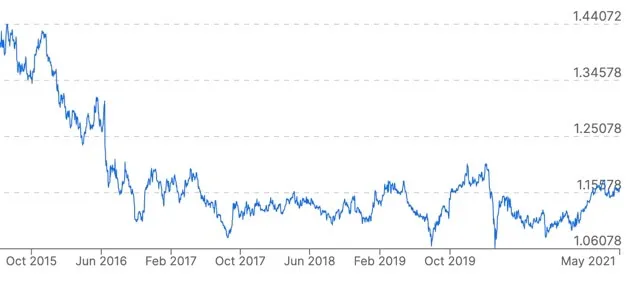
Exchange rate fluctuations could mean that you are suddenly faced with the prospect of living on a lower real-terms income in the local currency.

This is exactly what happened to those retired in Europe as a result of Brexit uncertainty, with sterling dropping more than 20 percent against the Euro.

GBP to EUR
Who can have an international SIPP?

An international SIPP might be appropriate for a wide range of individuals, including non-UK residents and foreign nationals residing in the UK.

You can have an international SIPP if you are employed, self-employed or unemployed.

If you have already retired, it may also still be possible to take advantage of this type of pension arrangement.

Making transfers to a SIPP

In most cases, it is possible to transfer funds to a SIPP (regular or international) from another UK pension arrangement.

However, transferring to a SIPP is not always the best course of action, and it is usually best to seek professional financial advice before doing so.

If you have a final salary pension valued at £30,000 or more, then it is a legal requirement to obtain professional advice before transferring.

It is not possible to transfer to an international SIPP from an unfunded UK public sector pension scheme.

How to withdraw funds from a SIPP

As with most pension arrangements, you can withdraw the funds in your SIPP from age 55 (from 2028, this will increase to 57).

You will have full flexibility as to how you access these monies – you can access the fund as lump sums, an income, or a combination of the two.

Under the flexible drawdown option, anything you don’t withdraw remains invested.

There is also the option of using your SIPP to purchase an annuity, which provides a fixed income for life, but there is now no obligation to do this.

A guide to SIPP taxation

Tax relief on contributions

If you aren’t resident in the UK for tax purposes at the time you make a contribution to the SIPP, then you won’t receive tax relief on that particular contribution.

However, if you are still paying UK tax, in spite of being resident overseas, then you can expect to receive tax relief on your contribution in the same way as you would with any UK-registered personal pension plan.

In these circumstances, the contribution is made net of basic rate tax, so the Government adds 20p for every 80p you contribute.

Higher rate taxpayers can then claim additional tax relief via their tax return.

Growth

The funds within your SIPP will grow free from income and capital gains tax.

Not Sure Whether to Keep, Consolidate or Transfer Your UK Pensions?

If you’re living abroad with one or more UK pensions, it can be difficult to know whether you should leave your existing pensions where they are, consolidate them into an International SIPP or consider another pension arrangement. There is no single solution that is right for every British expat.

Keeping your existing UK pensions may sometimes be the most appropriate option. If your current arrangements provide competitive charges, suitable investments, valuable benefits and the retirement flexibility you require, transferring simply because you have moved overseas may provide little advantage.

Consolidating pensions into an International SIPP may be worth considering in other circumstances. Bringing several pensions together can potentially simplify administration and provide greater investment or retirement income flexibility, particularly where an existing provider restricts services for non-UK residents. However, the benefits need to justify the costs and any features you would give up.

A QROPS may also remain relevant in certain circumstances. International SIPPs and QROPS are different pension structures, and neither should automatically be considered the better option. Your country of residence, tax position, existing pension benefits, costs and long-term retirement plans all need to be considered.

Before transferring anything, it is important to understand what you already have. Charges, guarantees, protected benefits, investment options and withdrawal flexibility should be reviewed carefully. Your country of residence and the possibility of moving again or eventually returning to the UK can also affect your longer-term planning.

The starting point should be your retirement objectives, not a particular pension product. A Discovery Call provides an opportunity to discuss your existing pensions, where you live, your future plans and what you want your retirement savings to achieve before deciding which options deserve further investigation.

If you’re a British expat considering what to do with your UK pensions, book a Discovery Call to discuss your circumstances before making any changes.


Book a Discovery Call

Tax implications of accessing your SIPP

When you access the funds in your SIPP, you can withdraw 25% of the fund as a pension commencement lump sum (PCLS).

This is free of tax in the UK.

However, if you are resident outside the UK, it may not be tax-free.

Whether it is or not will depend on the tax treaty between the UK and your country of residence. You should always seek professional advice in such cases.

Withdrawals over and above the PCLS will be taxed as income in your country of residence.

If you are resident in the UK, you will be taxed at your highest rate of income tax. For example, if you pay 40% tax on some of your income, all of your pension income will be taxed at 40%.

SIPP tax implications on death

If you die prior to age 75, then your beneficiaries can access the fund as a lump sum or as an income stream free of UK income tax. If you die after age 75, the beneficiaries will pay income tax at their highest income tax rate, but there will usually be no inheritance tax liability in these circumstances.

Financial advice

As mentioned above, if you are considering transferring funds from another pension arrangement into a SIPP, then it could be a good idea to seek professional financial advice.

It can be beneficial in any case to consult a financial adviser before you set up a SIPP.

There is a huge range of investment options, and not everyone will be comfortable choosing exactly where they wish to invest.

A skilled financial adviser can explain the pros and cons of the various options and can identify investment areas that are in line with your risk profile, as some of the available investment options are higher risk.

Regular reviews with your adviser can also be important – at these reviews, the adviser can monitor the performance of your investment and recommend any changes.

Many people switch to lower-risk investment strategies as they near retirement, knowing that they have much less time to make good on any losses they might suffer.

The fees on different international SIPPs can also vary greatly. An adviser can help you identify which are the best options in this respect.

When Might an International SIPP Make Sense for a British Expat?

An International SIPP can provide British expats with a flexible way to manage UK pension savings while living overseas, but moving abroad does not automatically mean you need one. Whether an International SIPP is appropriate depends on your existing pensions, country of residence, investment requirements, retirement income plans and where you expect to live in the future. Understanding the circumstances in which an International SIPP may be worth considering is therefore an important first step.

Your Existing UK Pension Provider Restricts Overseas Clients

Some UK pension providers place restrictions on customers who become non-UK residents. Depending on the provider and your country of residence, this could affect your ability to make changes, access certain investment options or use particular retirement income features. If your existing provider no longer offers the flexibility you need, an International SIPP may be one option worth investigating.

You Want Flexible Pension Drawdown While Living Abroad

If you intend to draw retirement income while living overseas, it is important to understand exactly what your existing UK pension allows. An International SIPP may provide greater flexibility over how and when benefits are accessed, but the available options, charges and tax consequences should be compared carefully with those of your existing pension before transferring.

You Need Greater Investment Choice

International SIPPs can potentially provide access to a wider range of investment options than some traditional UK pension arrangements. This may be useful for investors who want greater control over how their retirement savings are managed. However, greater investment choice does not automatically produce better investment outcomes. The investments held within the SIPP should reflect your objectives, attitude to risk, capacity for loss and long-term retirement strategy.

You Want to Manage Currency Exposure

Currency can become an important consideration when your pension is held in the UK but your retirement spending takes place overseas. If your pension assets and income are primarily denominated in pounds while your everyday expenses are in euros, Polish zloty or another currency, exchange-rate movements can affect the value of the income available to you. Some International SIPPs offer multi-currency capabilities, which may provide additional flexibility when managing retirement income across different currencies.

You Have Several UK Pensions

Many people accumulate several workplace and personal pensions during their careers. Consolidating pensions into a single arrangement can potentially make them easier to administer and provide a clearer overview of your retirement savings. However, consolidation should never be undertaken purely for convenience. Existing charges, guarantees, protected benefits, investment options and retirement features should be reviewed before any pension is transferred.

You Are Comparing an International SIPP With a QROPS

British expats researching overseas pension options frequently encounter both International SIPPs and Qualifying Recognised Overseas Pension Schemes (QROPS). These are different pension structures, and neither is automatically the better choice. Your country of residence, existing UK pensions, tax position, expected retirement destination, costs and long-term plans can all influence which options are worth considering.

The important question is therefore not simply, “Is an International SIPP better than a QROPS?” Instead, it is whether transferring your pension at all — and, if so, to which type of arrangement — supports your wider financial and retirement objectives.

You Expect to Remain Overseas Long Term

If you expect to spend your retirement outside the UK, your pension needs to work within a much broader international financial plan. Your current country of residence is important, but so are your future plans. You may eventually move to another country, divide your time between different locations or return to the UK.

Considering these possibilities before transferring can help prevent you from choosing a pension structure based solely on where you happen to live today.

You Want Your Pension to Form Part of a Wider Retirement Strategy

Choosing the pension wrapper is only one part of retirement planning. Your International SIPP may need to work alongside other pensions, investments, savings, property, State Pension entitlement and other sources of retirement income. For British expats, tax residency and the local treatment of pension income can add another layer of complexity.

Looking at these elements together can help determine not only where your pension should be held, but also how it should be invested, when benefits might be taken and how pension income fits into your overall retirement strategy.

An International SIPP should not be selected simply because you live overseas. The appropriate pension structure depends on your existing pensions, country of residence, retirement plans, investment requirements, currency exposure and how you intend to access your money. Your pension should therefore be considered as one part of your wider cross-border retirement plan.

Real People, Real Results

“I have known Ross for over 10 years now when I still worked in Warsaw. Since I have moved via Prague to Brussels – but have not changed my financial advisor. Why should I? Ross is highly competent, reliable, has a good understanding of an expat’s needs and always comes up with good solutions.

Highly recommended.”

— Stefan Rasche


More Testimonials

International SIPPs

FAQs

An International SIPP is a retirement plan for non-UK residents, allowing pension investments in multiple currencies.

Non-UK residents, foreign nationals in the UK, and retirees may also benefit from an International SIPP.

The key difference is that International SIPPs can hold investments in various currencies, making them ideal for people living outside the UK.

Yes, most UK pensions can be transferred to an International SIPP, but professional advice is recommended, especially for final salary pensions.

Contributions may qualify for tax relief if you’re a UK taxpayer, and investments grow free from income and capital gains tax.

Funds can be accessed after age 55, and withdrawals can be taken as lump sums, income, or a combination, with flexibility in the drawdown.

The first 25% of your SIPP can be withdrawn tax-free, but the rest may be taxed depending on your country of residence.

If you die before 75, your beneficiaries can receive the funds tax-free. After 75, income tax applies to beneficiaries at their highest rate.

Yes, you can invest in shares, bonds, property, and more. However, it’s advisable to seek financial advice on the best investment strategies.

Yes, it’s highly recommended to consult a financial adviser to ensure your SIPP aligns with your financial goals and risk profile.

Common International SIPP Mistakes British Expats Make

An International SIPP can provide useful flexibility for British expats managing UK pension savings from overseas, but the decision to transfer should be based on your individual circumstances rather than the product itself. Existing pension benefits, charges, tax residency, investment requirements, currency needs and long-term retirement plans should all be considered. Understanding the following common mistakes can help you ask the right questions before making any changes.

Assuming You Need an International SIPP Simply Because You Live Abroad

Moving overseas does not automatically mean your existing UK pension is no longer suitable. Some UK pension providers continue to offer appropriate investment and retirement options to non-UK residents. Before considering a transfer, establish what your current pension already provides and whether there is a genuine reason to change it.

Transferring Without Checking Your Existing Pension Benefits

An existing pension may contain valuable features that could be lost following a transfer. These might include guarantees, protected benefits or other favourable terms. Charges and investment options should also be compared carefully. Understanding exactly what you would be giving up is just as important as understanding what a new International SIPP could provide.

Choosing an International SIPP Before Considering Local Tax

An International SIPP remains a UK pension arrangement, but the tax treatment of pension income and withdrawals can depend on the rules in your country of tax residence. The fact that a withdrawal receives particular tax treatment in the UK does not necessarily mean it will receive identical treatment overseas. Cross-border tax implications should therefore be understood before benefits are taken.

Assuming UK Pension Tax-Free Cash Will Be Tax-Free Overseas

UK pension rules can allow some pension benefits to be taken tax-free within applicable UK allowances, but your country of residence may apply its own tax treatment to the same payment. British expats should therefore avoid assuming that a payment described as “tax-free” under UK pension rules will automatically be exempt from tax where they live.

Ignoring Currency Exposure

Currency becomes particularly important when your pension is held in the UK but your retirement spending takes place elsewhere. If your pension is predominantly valued in pounds but your everyday expenses are in euros, Polish zloty or another currency, exchange-rate movements can affect your spending power. Your investment and withdrawal strategy should therefore consider the currencies in which you expect to spend your retirement income.

Consolidating Pensions Without Comparing the Costs

Bringing several pensions into one International SIPP can make retirement savings easier to administer, but simplicity alone does not make a transfer worthwhile. Existing and proposed charges should be compared alongside investment options, benefits and retirement flexibility to establish whether consolidation genuinely improves your overall position.

Choosing Investments Before Establishing Your Retirement Strategy

An International SIPP is a pension wrapper rather than an investment strategy. The investments held within it should reflect your retirement objectives, expected timeframe, attitude to investment risk, capacity for loss and future income requirements. Choosing investments first and trying to build a retirement plan around them afterwards can result in a portfolio that does not properly support your long-term goals.

Assuming an International SIPP Is Always Better Than a QROPS

British expats researching pension transfers frequently encounter both International SIPPs and Qualifying Recognised Overseas Pension Schemes (QROPS). They are different structures with different considerations, and neither is automatically more suitable. Your existing pensions, country of residence, costs, tax position and future retirement plans should be considered before deciding whether either type of transfer deserves further investigation.

Failing to Consider Where You Might Live in the Future

Your current country of residence may not be where you spend the rest of your retirement. You might eventually return to the UK, move to another country or divide your time between several locations. Choosing a pension arrangement solely around your circumstances today can therefore create difficulties later. Long-term cross-border retirement planning should consider where your life may take you as well as where you live now.

Starting With the Pension Product Rather Than Your Financial Plan

Perhaps the biggest mistake is deciding that you want an International SIPP before establishing what you actually need your pension to achieve. Your pensions should work alongside your investments, savings, expected retirement income, tax position and wider financial objectives. The appropriate pension structure should emerge from that planning process rather than becoming the starting point.

An International SIPP can provide British expats with valuable flexibility, but transferring a pension should never begin with the assumption that a particular product is the answer. Your existing pension benefits, country of residence, tax position, investment requirements, currency needs and long-term retirement plans should all be considered before deciding whether an International SIPP is appropriate.

Further reading

Guide to applying for an NT Code for pension income

Evaluating expat pension options – should I keep my QROPS?

How are defined benefit pension transfer values calculated?

Ross Naylor, Chartered Financial Planner and Pension Transfer Specialist

Talk to an International SIPP and Pension Transfer Specialist

If you're a British expat with UK pensions, deciding what to do with them can be complicated. An International SIPP may provide greater flexibility in some circumstances, but transferring is not automatically the right solution. Your existing pension benefits, charges, investment options, country of residence and long-term retirement plans all need to be considered first.

I'm Ross Naylor, a UK-qualified Chartered Financial Planner and Pension Transfer Specialist with nearly 30 years' experience helping British expats and internationally mobile families make informed decisions about UK pensions, International SIPPs, pension consolidation, QROPS and retirement planning.

My approach starts with holistic financial planning rather than a particular pension product. That means understanding what you already have, what you want your retirement savings to achieve and how your pensions fit alongside your investments, retirement income requirements, tax residency, currency needs and wider financial objectives.

I firmly believe your location in the world should never be a barrier to expert, impartial and transparent financial advice you can trust. For British expats, this is particularly important because a pension arrangement that works well for somebody living in the UK may not always provide the same flexibility once they are resident overseas.

Whether you're considering transferring to an International SIPP, consolidating several UK pensions, comparing an International SIPP with a QROPS or simply leaving your existing pensions where they are, the objective is to establish which approach best supports your circumstances and long-term retirement plans.

If you're unsure what to do with your UK pensions while living abroad, book a Discovery Call to discuss your existing arrangements, your circumstances and the options that may be worth investigating.

Book a Discovery Call

Disclaimer:

This website is operated by Ross Naylor and is provided separately from any regulated advice service. Where regulated financial advice is required, this will be provided separately via an appropriately authorised firm following formal client engagement.

Ross Naylor is a Chartered Financial Planner who works with clients to understand their circumstances and help them navigate financial decisions.

The information on this website is provided for general information purposes only. It does not constitute financial, investment, tax or legal advice, a personal recommendation, or an offer to engage in any financial product or service.

Investment products involve risk. The value of investments and any income from them can fall as well as rise, and you may get back less than you invested. Past performance is not a reliable indicator of future performance.

Tax and legal treatment depends on individual circumstances and may be subject to change. Cross-border financial planning can involve additional complexity, and local advice may be required.

This website is not directed at persons in jurisdictions where the provision of such information or services would be restricted or unlawful.

Testimonials reflect individual experiences and may not be representative of all clients. Outcomes are not guaranteed.

Ross Naylor © 2026. All rights reserved – hello@rossnaylor.com